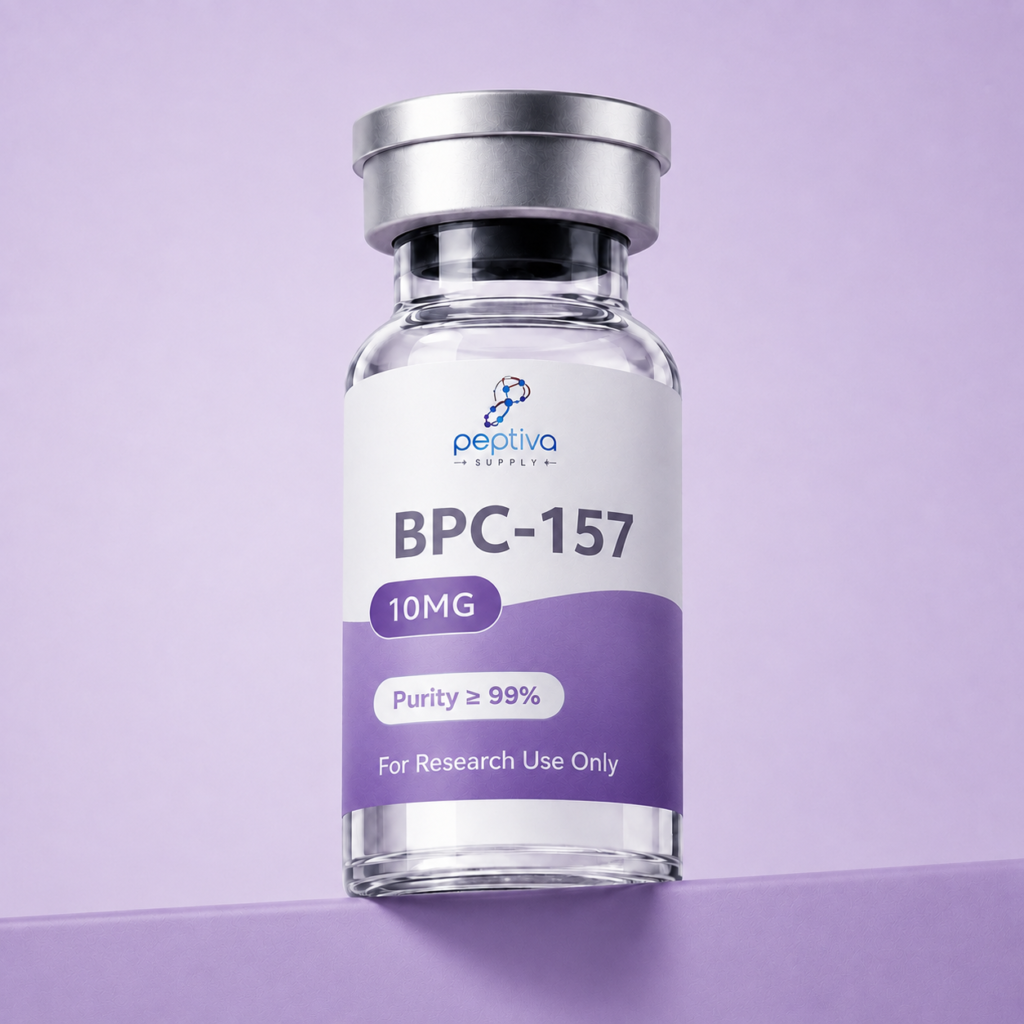
BPC - 157
About this product
BPC-157 Research Overview
BPC-157 is a synthetic pentadecapeptide research material supplied for qualified laboratory and scientific research applications. The compound has been investigated extensively in preclinical research involving molecular signaling, cellular processes, vascular pathways, and other experimental parameters.
Scientific literature has examined BPC-157 using different laboratory and animal models. Research has investigated its molecular characteristics, pharmacological properties, stability, and interactions with biological pathways under controlled experimental conditions. A recent 2026 review also highlights the current challenges surrounding formulation, pharmacokinetic characterization, and translation of this research material.
This product is supplied as research material and is not intended for human or veterinary use.
BPC-157 Product Information
BPC-157 is a 15-amino-acid peptide that has been characterized in scientific literature as a gastric pentadecapeptide. Researchers may evaluate characteristics such as molecular identity, purity, stability, analytical profile, peptide structure, and other measurable properties relevant to a specific research project.
Researchers should review product identification, batch information, storage requirements, and available analytical documentation before beginning experimental work.
The suitability of the material should be determined according to the objectives, methodology, and requirements of the individual laboratory.
BPC-157 Research Focus
Research involving BPC-157 may focus on molecular signaling, cellular activity, vascular pathways, and other biological parameters. Published research has investigated the compound in a variety of experimental models, including studies examining molecular and cellular responses.
A systematic review published in 2025 identified a substantial body of preclinical literature while noting that human clinical evidence remains limited.
Researchers should distinguish experimental observations from clinical or consumer health claims. Results can vary according to the research model, concentration, methodology, study design, and laboratory conditions.
Laboratory Research Applications
BPC-157 may be incorporated into appropriate laboratory research workflows where permitted. Potential applications depend on the objectives of the laboratory and the experimental design.
Researchers may use suitable analytical methods to examine peptide identity, molecular characteristics, stability, molecular interactions, or other measurable parameters.
Laboratory studies may also compare this compound with related peptide research materials to evaluate differences in molecular or experimental characteristics.
All laboratory work should be performed by qualified personnel using appropriate equipment, established protocols, and applicable laboratory practices.
Scientific Literature and Research
BPC-157 has been investigated in peer-reviewed scientific literature across several areas of experimental research. Reviews have examined its molecular pathways, preclinical research history, pharmacological characteristics, and current translational limitations.
For additional scientific background, researchers can review peer-reviewed publications through PubMed, including recent reviews concerning BPC-157 research and its current development status.
Scientific publications should be evaluated in their complete context, including the experimental model, methodology, study design, limitations, and research objectives.
Current literature does not establish BPC-157 as an approved therapeutic product, and experimental findings should not be presented as evidence of clinical efficacy.
Quality and Research Standards
When working with BPC-157, researchers should maintain appropriate documentation and laboratory controls. Product identification, batch information, storage requirements, and available analytical documentation should be reviewed before beginning research.
Proper laboratory procedures help maintain consistency throughout an experimental workflow. Researchers are responsible for determining whether a particular research material is appropriate for their intended study and for complying with applicable institutional and regulatory requirements.
Laboratory personnel should maintain accurate records throughout each research project.
Research Use and Handling
BPC-157 is supplied for research purposes only. It is not intended for human consumption, self-administration, or veterinary use.
This material should be handled by qualified personnel familiar with appropriate laboratory practices. Researchers should follow applicable procedures for storage, handling, documentation, and disposal.
The information provided on this page describes BPC-157 as a research material and provides general scientific context. It should not be interpreted as medical advice, a therapeutic recommendation, or a claim regarding individual health outcomes.
Not for human consumption. This product is sold exclusively for laboratory and research purposes. It is not intended to diagnose, treat, cure, or prevent any disease.
All clinical data referenced on this page is drawn from peer-reviewed literature and provided for educational reference only. It should not be interpreted as medical advice or a product claim.
By purchasing, you confirm you are a qualified researcher and will use this material in accordance with all applicable laws and regulations.